

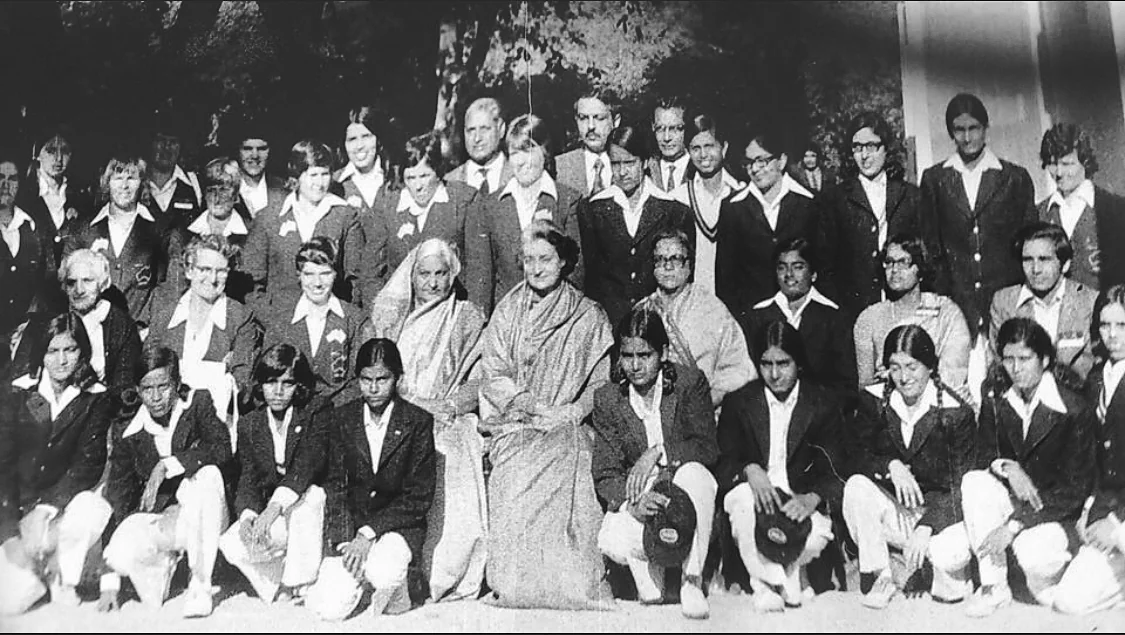
Women’s Cricket in India is at a stage today where it has millions of viewers and a huge fan following. However, many people would be surprised to know that the beginning was far from easy.
There was a time when neither the players nor the team were widely known among cricket fans. So, how did the Indian Women’s Cricket team rise from those challenging days to this grand spotlight?
The Early Days of Women’s Cricket in India and Challenges Faced by Indian Women Cricketers
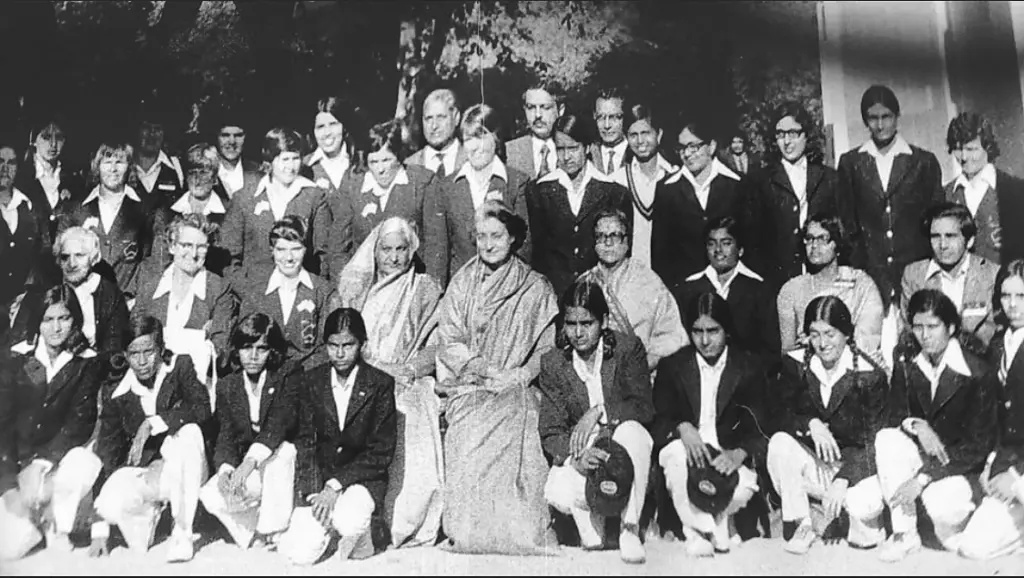
The journey of Indian women’s cricket began in 1973 in Lucknow, with the efforts of Mahendra Kumar Sharma and Begum Hamida Habibullah. The beginning started with an inter-state competition between three regions, including Lucknow, Pune, and Mumbai.
In October 1976, the Indian Women’s Cricket team played their first-ever Test match against the West Indies in a six-match Test series, where they managed to secure a victory. Following this success, the Indian Women’s Cricket team also participated in the ICC Women’s Cricket World Cup held in 1978.
As we know, during the early days, women’s cricket in India was not managed by the BCCI but by the Women’s Cricket Association of India (WCAI), which operated through its own resources.
Because of limited financial support, both the team and players faced several difficulties. Players often had to practise on poor-quality pitches, and there are even stories of cricketers like Jhulan Goswami practising with torn shoes due to a lack of proper facilities.
The female cricketers representing India also did not receive strong financial backing through cricket, as the sport was highly male-dominated at that time, and fans showed more interest in men’s cricket.
However, during those challenging years, organisations like Indian Railways and Air India provided job opportunities to women’s cricketers representing India, which helped them achieve financial stability to some extent.
Diana Edulji, Mithali Raj, and Jhulan Goswami: The Icons Who Changed Women’s Cricket in India
Whenever women’s cricket is discussed in India, there are three names that everyone should always be grateful for — Diana Edulji, Mithali Raj, and Jhulan Goswami.
Diana Edulji, a slow left-arm orthodox bowler and captain of the Indian Women’s team, guided India to their first-ever Test victory against the West Indies in 1976. It is said that Diana played more than half of her career with dentures after losing her front four teeth due to a dangerous bouncer during her early playing days.
Even after retirement, Edulji did not want women’s cricket in India to lose its identity. This is why, after ending her playing career, she continued contributing to the sport by becoming a part of the board.
Talking about Mithali Raj’s impact on Indian women’s cricket, it is difficult to measure her contribution. Her influence can be compared with Sachin Tendulkar’s impact on men’s cricket, and some may even argue that Mithali’s contribution was equally, if not more, significant.
If women’s cricket is now being televised, receiving streaming coverage, and getting the technical respect it deserves, a major part of the credit goes to the run machine, Mithali Raj.
Coming from the small town of Chakdaha, nobody knew that one day Jhulan Goswami would become India’s highest wicket-taker in women’s cricket. However, she ruled the game for nearly two decades with her exceptional bowling.
Jhulan’s contribution does not end with her records. The stories of her dedication and practice have become a source of inspiration for countless girls from small towns who dream of representing the Indian Women’s team one day.
The Future of Women’s Cricket in India: A New Generation Ready to Shine
The struggles and contributions of Mithali Raj, Jhulan Goswami, and several former players and members have brought women’s cricket in India to a stage where being part of the team now means gaining recognition and fame.
Under the fierce leadership of Harmanpreet Kaur, the team continues to shine, while global icons like Smriti Mandhana have helped women’s cricket receive the spotlight that the Indian Women’s team could once only dream of.
On the other hand, leagues like the WPL have provided players with strong financial support and better opportunities. Along with this, the pay equity policy introduced by the BCCI in 2022 has given further encouragement to women’s cricket.
Today, every women’s cricketer can proudly say that representing India is not just a hobby anymore — it is a professional career.