

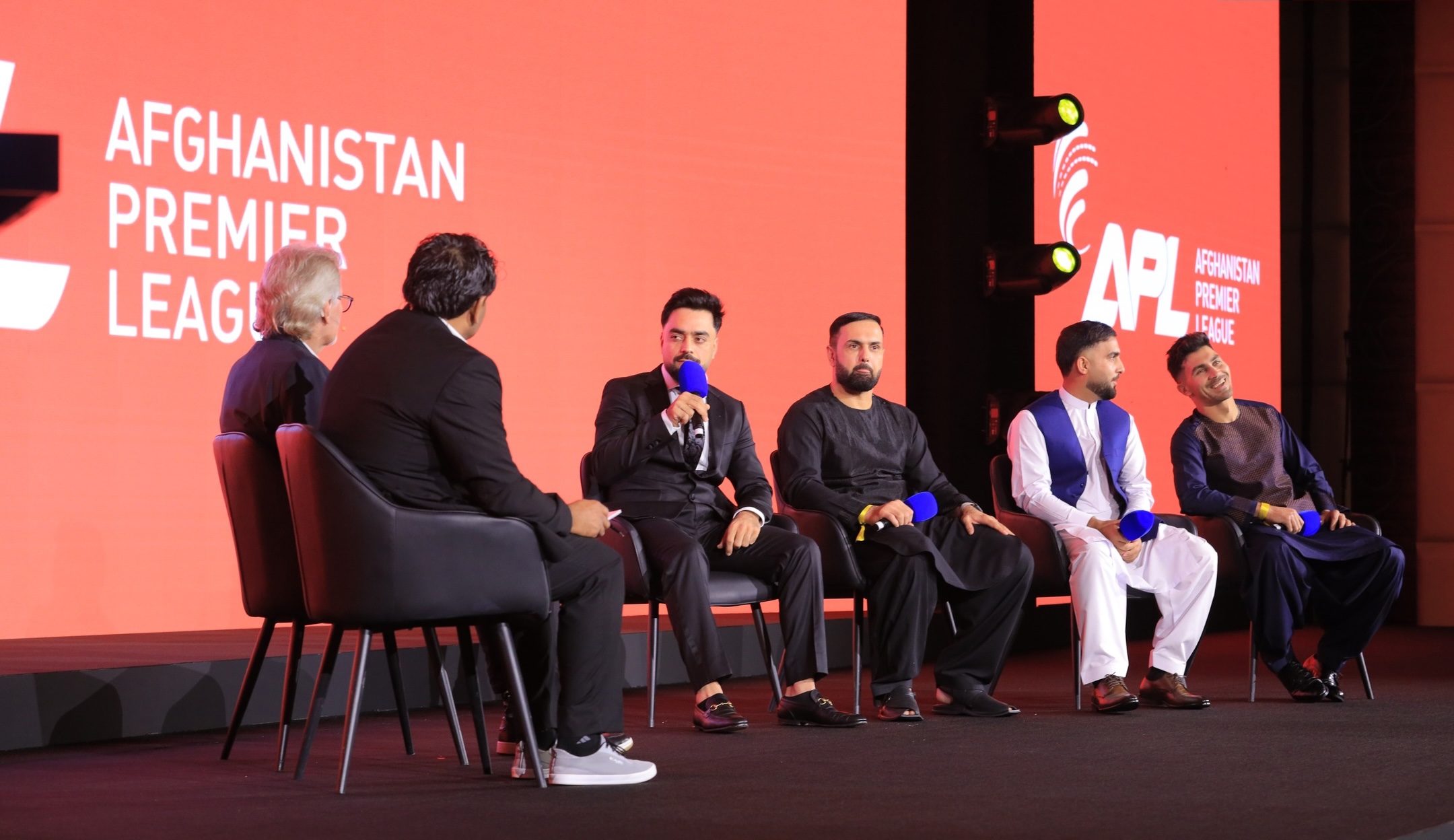
Since the change in power in Afghanistan in 2021, women’s cricket has effectively been banned in the country. While women cricketers face this situation, male players continue to receive the facilities and opportunities to play. This has clearly not gone down well with some women cricketers, and we have now seen overseas players making an appeal, urging others not to participate in the Afghanistan Premier League.
Overseas Players Urged to Boycott the Afghanistan Premier League
The boycott of the Afghanistan Premier League (APL) is being driven by two different concerns and groups. Several prominent English players, including Ollie Pope, David Willey and Will Smeed, have withdrawn their names from the APL draft.
In addition, Nahida Sapan, captain of the Afghanistan Refugee Women’s Team, has urged all overseas players to boycott the league. Women cricketers believe that if overseas players take part in the league, it will send a message to the world that they are ignoring the suffering of Afghan women.
England Cricket Board (ECB) managing director Rob Key and several British MPs had urged players to recognise their moral responsibility. The main reason behind this appeal is the Taliban government’s suppression of the rights of women and girls in Afghanistan and the ban preventing them from playing sports. Not only that, but ECB chief executive Richard Gould has also spoken out against the situation.
Impact of the Boycott Calls on the Afghanistan Premier League
The APL has not been officially cancelled yet, but the controversy and boycott calls have had a major impact on the tournament. The league is scheduled to begin in the UAE on December 27, 2026, but the current situation has cast serious doubts over whether it will go ahead as planned.
According to reports up to November 2026, the International Cricket Council (ICC) has not yet granted official sanction to the league. Organising an official T20 league without ICC approval can be difficult.
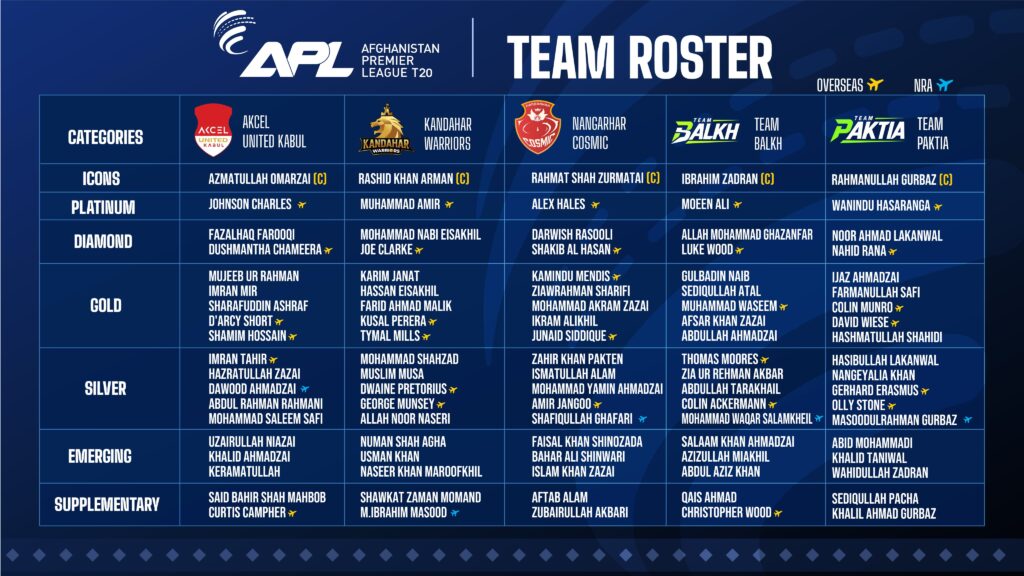
A total of five teams are expected to take part in the tournament, but amid the controversy, franchise owners have been found for only three of them. The remaining two teams are still unsold, as major investors appear hesitant to put their money into the controversial league.
It is not just franchise owners who are hesitant. Players have also been seen distancing themselves from the controversy, with several prominent names withdrawing from the draft. Following the recent player draft, some Afghan domestic cricketers, including Najibullah Zadran, have also raised questions about the selection process and transparency, bringing internal disagreements to the fore.
Is Pakistan Supporting Afghan Women Cricketers, or Is There More to the Story?
The Pakistan Cricket Board (PCB) has completely barred its players from participating in the league, but this does not mean that it is supporting Afghan women cricketers. In fact, amid the ongoing diplomatic and political tensions between Pakistan and Afghanistan, the PCB has refused to issue No Objection Certificates (NOCs) to its players for the APL.
More than 30 Pakistani players, including Fakhar Zaman, Saim Ayub and Imad Wasim, had registered for the draft. However, due to the board’s restriction, they will not be able to take part in the league.
Who Is Right and Who Is Wrong in the Afghanistan Cricket Dispute?
There is no single individual or organisation that can be labelled entirely right or wrong in this dispute, as each side has its own arguments. The exiled Afghan women cricketers and human rights groups believe that men’s cricket should not continue to receive international support while women are denied the right to play.
They see this as a fight for equality and basic human rights. However, some argue that restricting the men’s team may not improve the situation of women who continue to live in Afghanistan.
The ICC, meanwhile, maintains that cricket should be kept separate from politics and that male cricketers should not be punished for decisions they did not make. It has also provided separate support to the Afghan refugee women’s team.
However, critics question whether the ICC is doing enough to address discrimination, particularly while the Afghanistan Cricket Board continues to receive financial support.
England and Australia have taken a different approach by refusing to play bilateral series against Afghanistan. While this has been seen as a moral stand, both boards have faced criticism for continuing to play against Afghanistan in major ICC tournaments, raising questions about consistency in their approach.
The Afghanistan Cricket Board has also found itself at the centre of the debate. Its position is that it operates under the country’s governing system and has limited control over the restrictions imposed on women. However, this does not change the fact that Afghan women remain unable to pursue cricket professionally in their own country.
Ultimately, the central issue remains the exclusion of women from the sport, while the debate continues over how the international cricket community should respond.
Also Read: 5 Blockbuster IPL Trades That Need to Be Done Ft. Hardik Pandya, Suryakumar Yadav